
Saturday in Alba starts earlier than most visitors expect. By half past seven the vans are unloading at the edge of the historic centre, someone is already sweeping, and the first coffees are being drunk standing up at the bar. The fog is still deciding whether to lift. By ten, the same narrow streets will be shoulder to shoulder with people carrying paper bags. The difference between a satisfying Saturday and an exhausting one is rarely the list of events you picked. It is the order you do them in.
This is a guide to building that order, season by season, without pretending there is only one right answer.
Start with the shape of the day, not the poster
Before you open a single event page, decide what kind of Saturday you actually want. Most good plans in Alba fall into one of three shapes:
- Market-led. You are in town early, you buy food, you cook or picnic later, and everything else fits around that. Best in autumn and spring, when the produce is worth the trip on its own.
- Festival-led. One event is the anchor — the truffle fair, a wine weekend, the Palio — and the market becomes a side stop if there is time.
- Slow. A short walk, one long lunch, one museum or church, home before dark. The most underrated option, and the one that survives bad weather best.
Once you have chosen a shape, check the official programme rather than a social media post. Local fairs publish opening hours that differ from day to day: a Friday evening preview, a Saturday that runs all day, a Sunday that closes at lunchtime. Ticketed tastings often sell out, and some events are timed entry even when they look open. The tourist office in town keeps printed calendars and is genuinely useful for the small stuff — which lane the procession takes, whether a cellar needs booking, what is closed on a Monday.
Put the market at the centre of the morning
Alba's weekly market is a Saturday morning fixture, spreading through the arcaded streets of the centre and carrying a serious amount of food, clothing and household goods. Arrive between eight and half past eight and you will have room to look. Arrive at half ten and you will be part of the crowd, which is fun for about twenty minutes and tiring after an hour.
A few habits make the market better:
- Bring cash in small notes and a bag that folds flat. Both are quietly essential.
- Buy cheese, salumi and anything heavy early; buy fragile things like peaches or a box of pastries last.
- Ask what is good today instead of what is on the handwritten sign. Stallholders answer that question honestly.
- Eat something standing at a counter before eleven, not at half twelve when every table is taken.
If you are travelling with someone who does not enjoy markets, agree on a meeting point and a time. The centre is compact enough that splitting up for forty minutes costs nothing.
Festivals: match the event to the right hour
Mornings belong to the fairs
Alba's autumn calendar centres on the international white truffle fair, which fills weekends from roughly early October into late November, alongside a market that draws buyers from well beyond Piedmont. Spring brings the wine fair, usually in late April or early May, when the town fills with tastings and the surrounding villages open their cellars. In both cases, the earlier hour is the better one: shorter queues, cooler air, and stallholders with time to talk. If you plan to buy something expensive, look first, walk once around the whole hall, then go back. That single lap saves more money than any haggling.
Evenings belong to processions
The Palio degli Asini, traditionally held on the first Sunday of October after a historic parade through the centre, is a different kind of event: crowd-heavy, loud, and best watched from a spot you claimed early rather than one you found on the way. For anything involving a parade or a race, arrive well before the start, choose a position near a corner where the route turns, and accept that you will not be moving for a while.
The best festival plan is boring: know when it starts, know where it turns, and be there early.
A Saturday you can actually follow
Here is a template that works for most autumn and spring weekends. Adjust the hours to the season, not the other way round.
- 7:45. Coffee and a pastry at a bar near the centre. Decide the day's one priority.
- 8:15–10:00. Market. Buy food for later, then stop buying and start looking.
- 10:00–11:30. The festival or fair, while the halls are still calm.
- 11:30–12:00. Sit down. Anywhere. This is the step people skip and later regret.
- 12:30–14:30. Lunch, ideally booked, ideally not in the middle of the busiest street.
- 15:00–17:00. A short drive or walk out of town — Barbaresco, Barolo, or a village with a view — when the light improves and the centre empties.
- Evening. Back for the procession, a last glass, or the train home before the crowd does.
Getting there, parking, and the last kilometre
Alba sits on the Asti–Bra railway line, and connections from Turin usually mean a change, often at Bra or Cavallermaggiore. Trains are slow but they drop you within a short walk of everything, which removes the single biggest weekend frustration. Check the last return service before you commit to an evening event; on Sundays and public holidays the timetable thins out noticeably.
If you drive, aim to arrive before nine. Car parks on the edge of the centre fill quickly on fair weekends, and circling costs more time than walking. Leave the car once and stay on foot: the historic centre is flat, compact, and better on foot than in a car. Wear shoes you can walk in for two hours on cobblestones; this is the most common packing mistake visitors make.
Read the weather the way locals do
Langhe weather changes through the day, and the fog that looks romantic from a window can swallow an entire view by mid-morning. In autumn, take a light waterproof layer and something warm for the evening, even if the midday sun suggests otherwise. In spring, the reverse: a warm afternoon often follows a cold start, so layers beat a single jacket.
Have a wet-weather substitute ready before you need it — a covered market hall, a wine shop, a museum, a long lunch. If an event is outdoors and rain is forecast, decide in advance whether you will go anyway. Making that call at home is far easier than making it in a doorway with wet feet.
Before you leave: five quick checks
Run through these in the five minutes before you walk out of the door, and most weekend problems solve themselves.
- Opening hours confirmed on an official page, not a repost.
- One lunch booking, or a backup plan that does not need one.
- Return transport checked, especially on a Sunday.
- Cash, a folding bag, and shoes for cobbles.
- A rain plan and a warm layer, whatever the forecast says.
Do that, and the day stops being a schedule to survive. You get the market while it is still calm, the festival before the queues, and the walk home while there is still light in the sky.
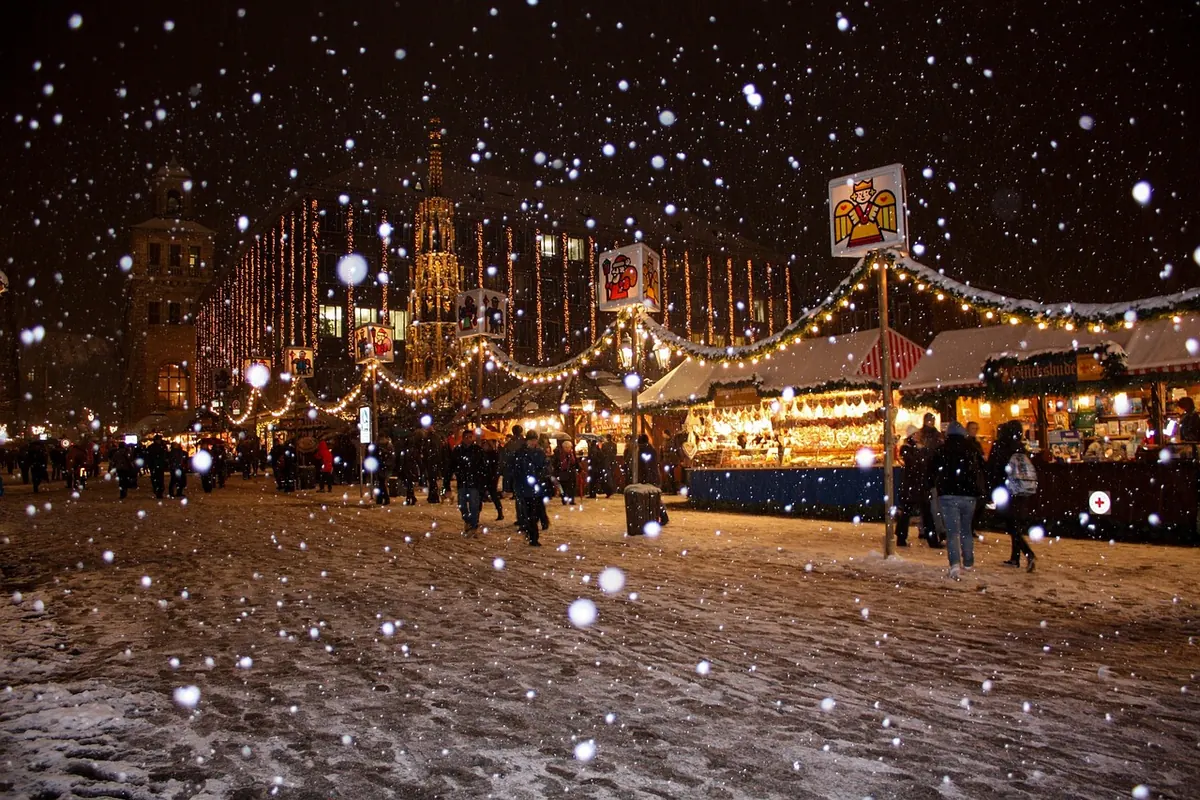
Photo: garten-gg / Pixabay